Challenge
SSIMWAVE has a family of software applications and services built on the award-winning SSIMPLUS algorithm that help ensure video quality throughout the delivery chain. The challenges are very technical and require a designer to embrace the complexity and strive to keep things simple. I joined SSIMWAVE in 2018 as their first dedicated UX designer. They had previously outsourced the work, but decided to bring the discipline in-house. I was tasked with initiating the practice and working to create a culture of design alongside the engineering and product team as they built out new products and features.
Roles
- UX Lead
Process
This was my first foray into a straight software company, and each new challenge presented a wealth of learning opportunities. Knowing the team didn’t have a formal in-house design process, I identified a few goals as I started out:
Build trust
My first and most important goal was to build trust with the team. They had been doing things a certain way so far, and I wanted to come alongside to help improve things together.
Serve the team
I wasn't at SSIMWAVE to be the expert that knows more than everyone else and now everything should be done my way. I was there to amplify the existing efforts of the engineering and product teams. Software engineers, Product Managers, and QA are the heroes—I was there to build on their efforts.
Defend users
Get to know SSIMWAVE's users and be their advocate during the design process.
Allow work to show its value
It didn’t make sense to uproot everything the team was doing. Design should showcase its value through the inherent value it brings to the process.
Educate
Good design is based on good principles. It’s not arbitrary. Teaching good design and explaining design choices can only improve the work of a great team and help foster a culture of design.
It was a great challenge. During my second week at SSIMWAVE, my lead was out at a tradeshow, I had no idea how the teams functioned, who did what, and how to get involved. So, I watched and learned. I noticed teams would gather around someone’s machine and hash out UI solutions on the fly and then leave the front-end developer to execute. The next time I saw a gathering, I creeped into the back row and listened. Over the next few days, I asked the occasional question, and took notes with simple sketches of the decisions being made. That way there was at least a record of what was discussed and we wouldn’t have to rehash at the next gathering.
Solutions
As a user-centered design approach showed its value, I was invited to daily stand-ups and began working with the teams to pre-think and work out features before they starting building them. To be honest, we were designing and building at the same time—not the most efficient, but a great place to start. Teamed up alongside engineers, researchers and product owners, we were able to quickly come up with great solutions.
Build Design Foundations
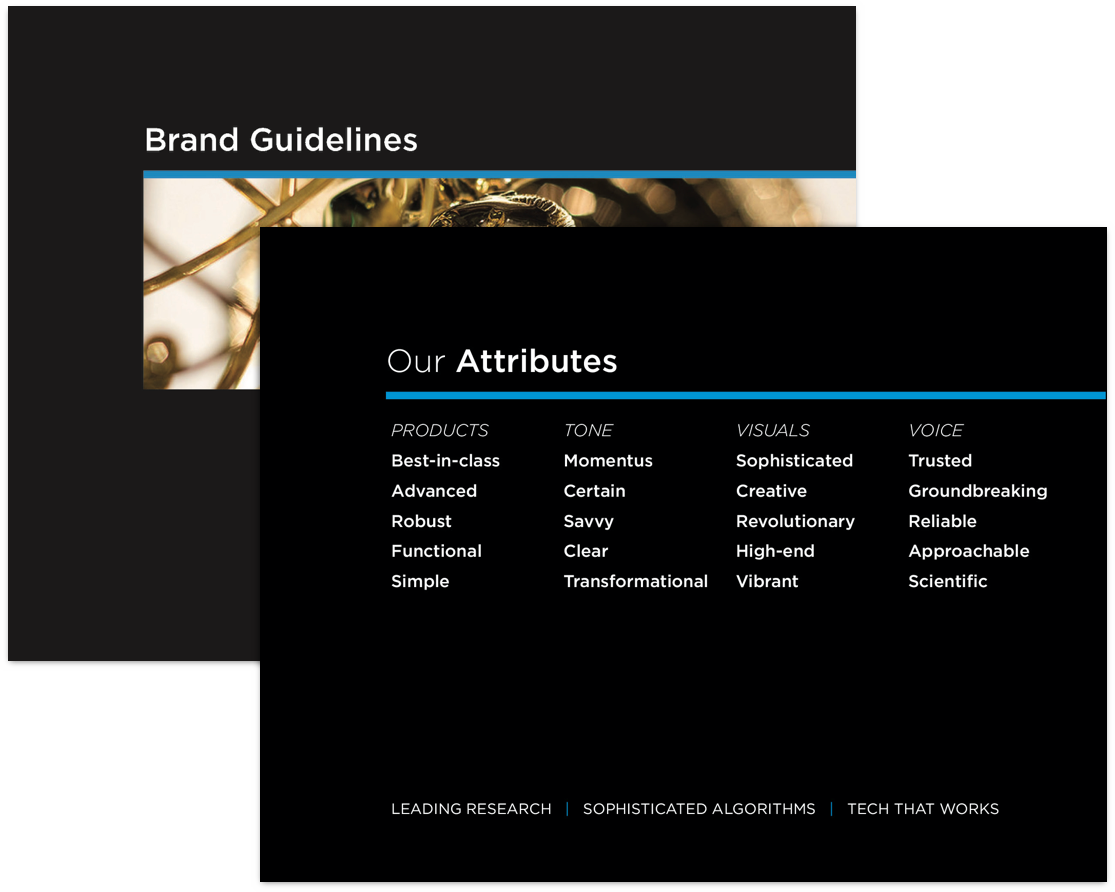
When considering the discipline of UX, Interface or UI Design is what often jumps to mind. There are a number of valuable tools or applications in the UX Designers tool belt, but all should be built off of solid and intentional UX foundations that complement the brand experience you are creating for your user. As part of building the practice at SSIMWAVE, I established those base foundations and used them to educate the team while referring back to them for every feature we built.

Formalize a UX process
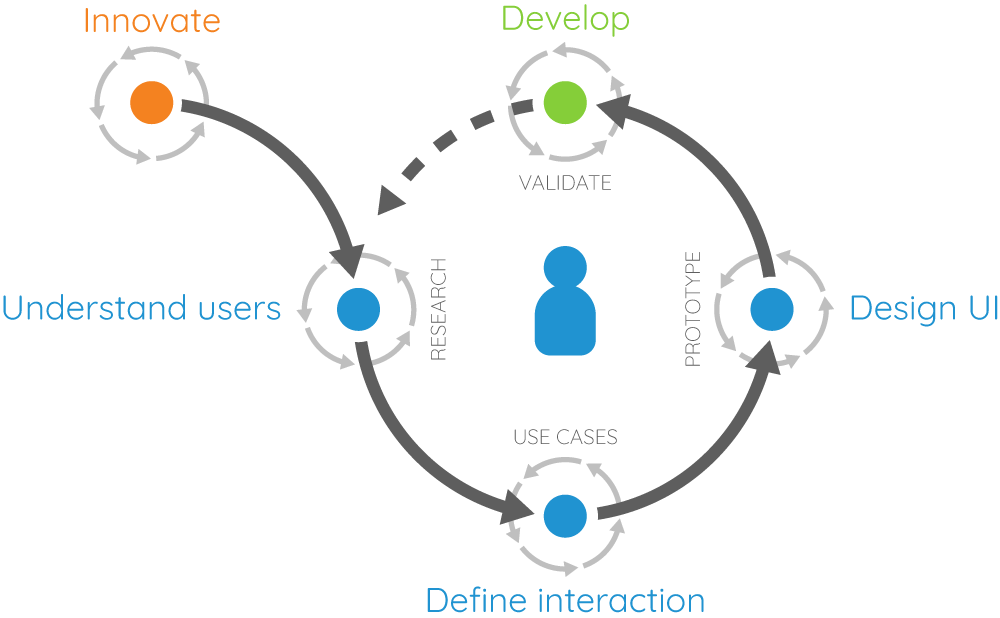
I formalized and communicated a UX design process that placed users at the forefront and complemented the agile workflow of the team. The process focused on iterative design and included internal innovation cycles—an important SSIMWAVE brand value and differentiator in the market.
Establish a work-fast methodology
I outlined a design methodology that enabled the team to work quickly in early stages and progress to well thought-out and tested solutions. We always started with the why, and followed that up with low-fi wireframes, and then progressed to hi-fi visual designs and prototypes with documentation. I worked the first six months building trust and getting ahead of the development cycle to allow enough time to explore and test features before it was time to build.

Outline design principles and edicts
The design principles and edicts became a touch point for every feature we built. They allowed us to come back to a central landing place that complemented our brand values and spoke to the experiences we were building.
- Speak, see, and behave like a human being
- Machines should do more work than I do
- Give me the highlights, and let me dig into the details
- Focus on what you were designed to do, and do it well
- Tell me when there is a problem
UX Learning
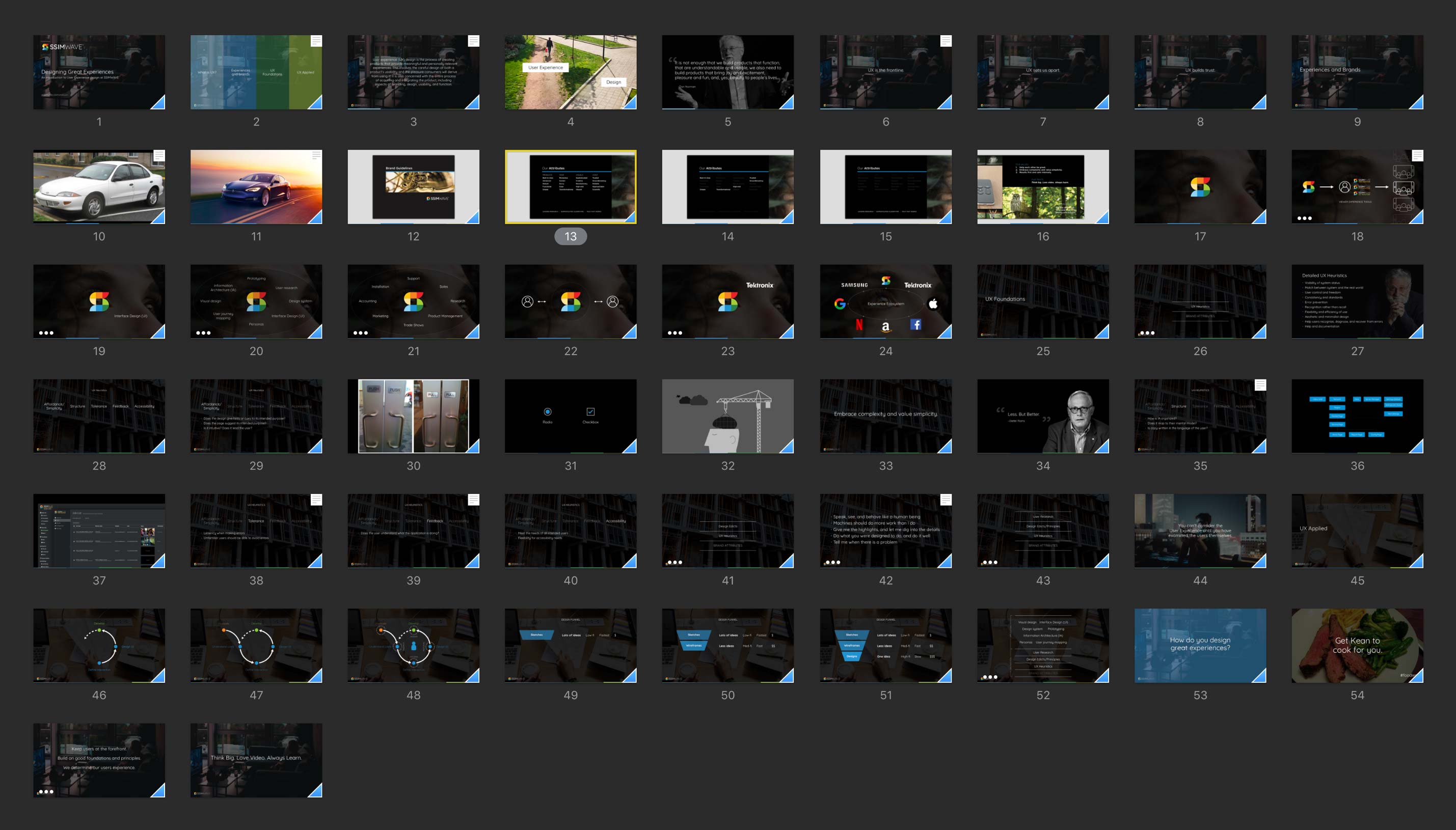
I hosted a company learning session to explain user experience design, how it differs from UI design, and is strategically founded on user insights and brand values. I challenged the team to individually take responsibility for keeping users as the focus, and to continually evaluate our work against brand values and experience goals.